
Jun
24
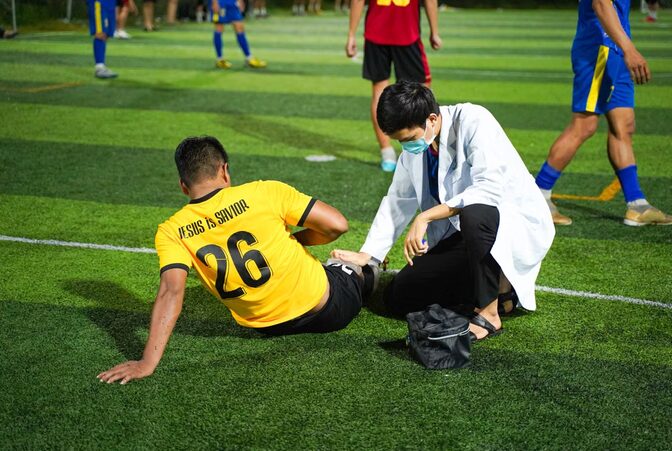
Live sports betting operates in a fast-changing environment where information can shift outcomes within seconds. One of the most influential factors in this space is injury updates that arrive late, often during a match or just before it begins. Even now, the ox game never fails to highlight how real-time decision-making environments are becoming more interactive and dynamic across digital betting ecosystems. These updates can instantly change odds, betting behavior, and market stability. Understanding how late injury updates affect live sports betting volatility helps explain why real-time information plays such a critical role in modern wagering systems.
Shifting Odds Through Sudden Information Changes
Late injury updates can dramatically shift betting odds. When a key player is reported injured, the perceived strength of a team changes immediately. Odds adjust within seconds of confirmation. Bookmakers respond quickly to new information. Markets react based on expected performance impact. A strong player’s absence can reduce a team’s chances of winning. This leads to rapid recalculation of probabilities. Even small injury details can influence betting lines. The speed of these changes creates high volatility in live betting environments.
Increasing Market Uncertainty During Live Events
Uncertainty is a natural outcome of late injury updates. Bettors and bookmakers must adjust expectations without complete information. Sometimes updates arrive just before or during a match. This leaves limited time for analysis. Different sources may report conflicting details. As a result, betting markets experience instability. Players may hesitate or rush their decisions. This uncertainty increases short-term volatility. Markets become less predictable during these periods.
Influencing Player Decision Making Under Pressure
Late injury updates not only affect odds. They also influence how players behave during betting sessions. Bettors may react emotionally to sudden news. They might place quick bets before odds adjust further. Others may withdraw from betting until clarity improves. Some players may increase risk exposure based on perceived advantage. This pressure-driven decision-making increases volatility. Short reaction times often replace careful analysis. As a result, betting behavior becomes more erratic.
Creating Rapid Market Corrections
Bookmakers must constantly adjust to late injury information. This leads to frequent market corrections. Odds are recalculated using updated player availability. Algorithms adjust expected match outcomes. Live betting platforms update markets in real time. These corrections can happen multiple times within minutes. Each adjustment creates fluctuations in betting value. Markets may temporarily overreact before stabilizing. This cycle contributes to ongoing volatility throughout the event.
Affecting Team Performance Expectations
Late injury updates also change how teams are perceived during live events. A missing or injured player can alter tactical expectations significantly. Teams may shift strategies without key players. Substitutes may not match expected performance levels. Coaches may adjust formations during the game. These changes influence live betting dynamics. Bettors reassess team strength continuously. Performance expectations become less stable. This instability increases unpredictability in betting outcomes.
Driving Emotional and Reactive Betting Behavior
Emotional reactions often intensify when late injury updates are announced. Bettors may feel urgency or uncertainty depending on the news. Positive updates can increase confidence in …